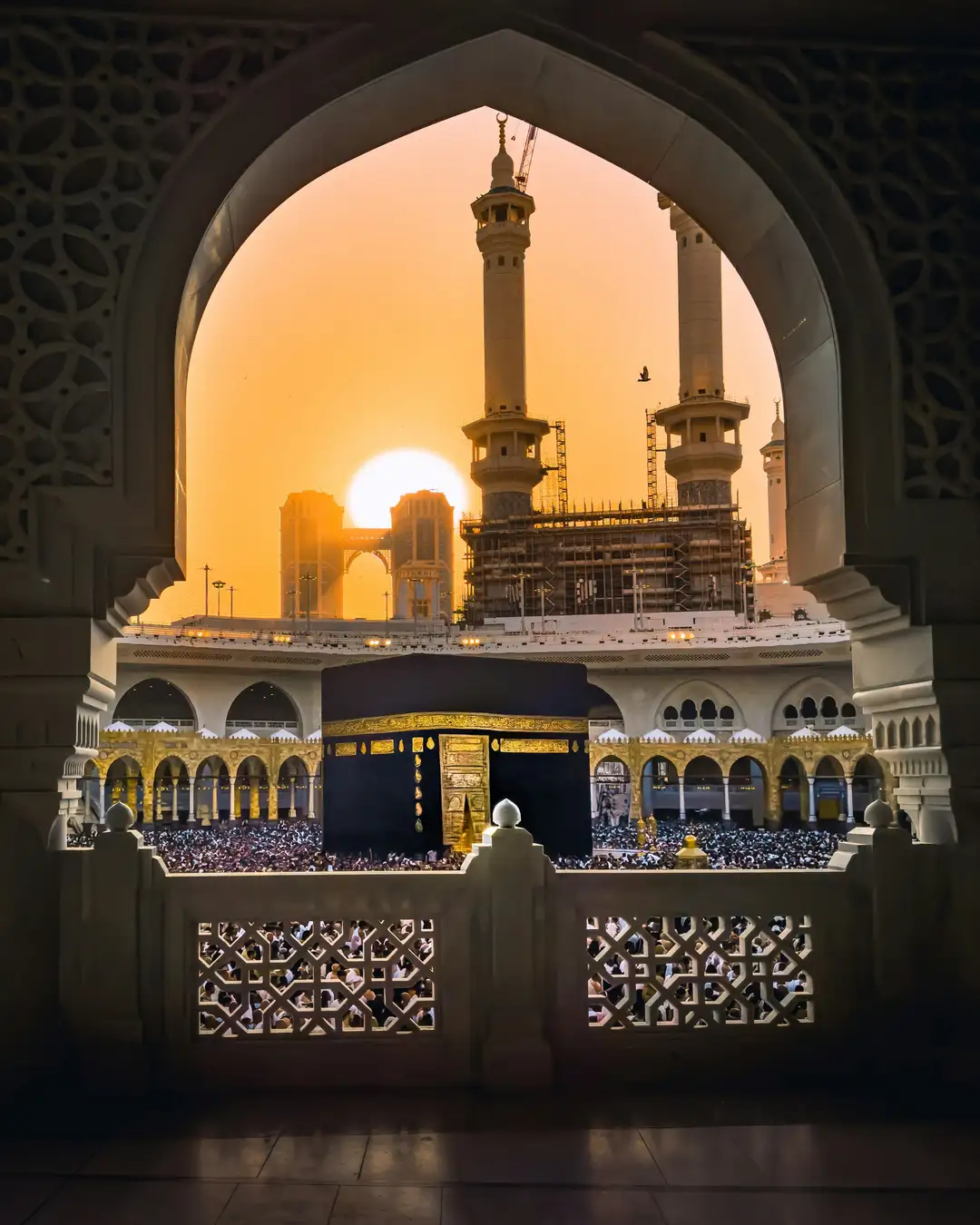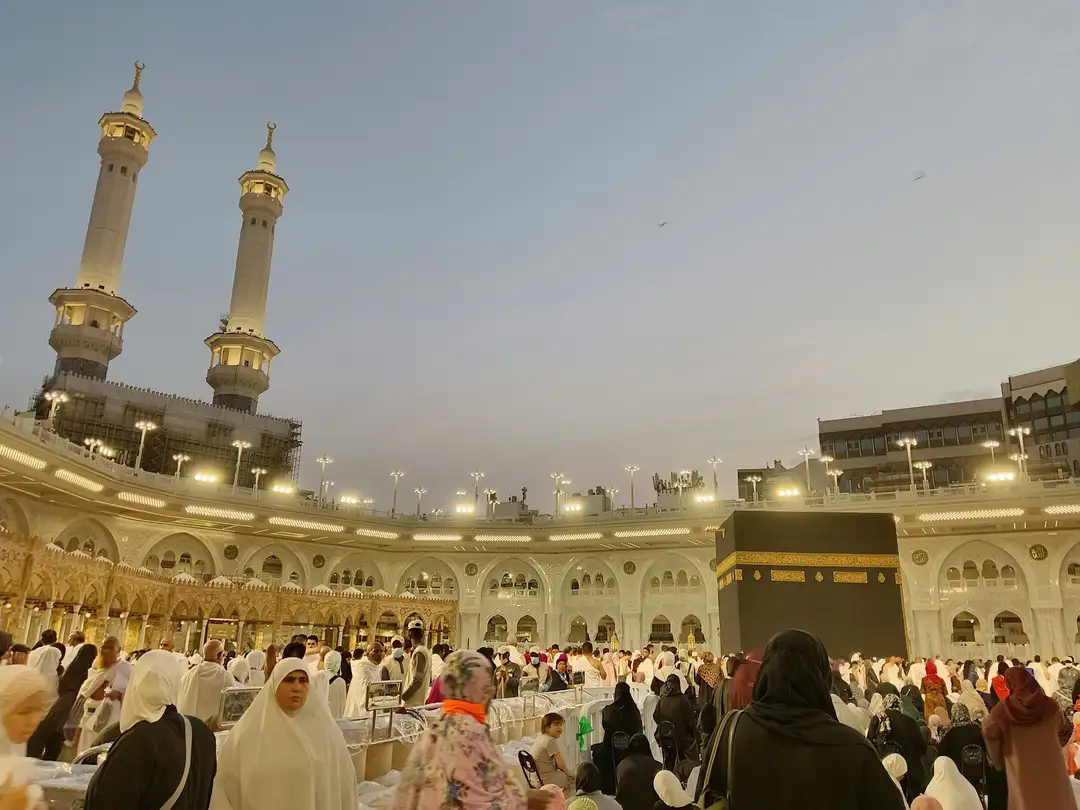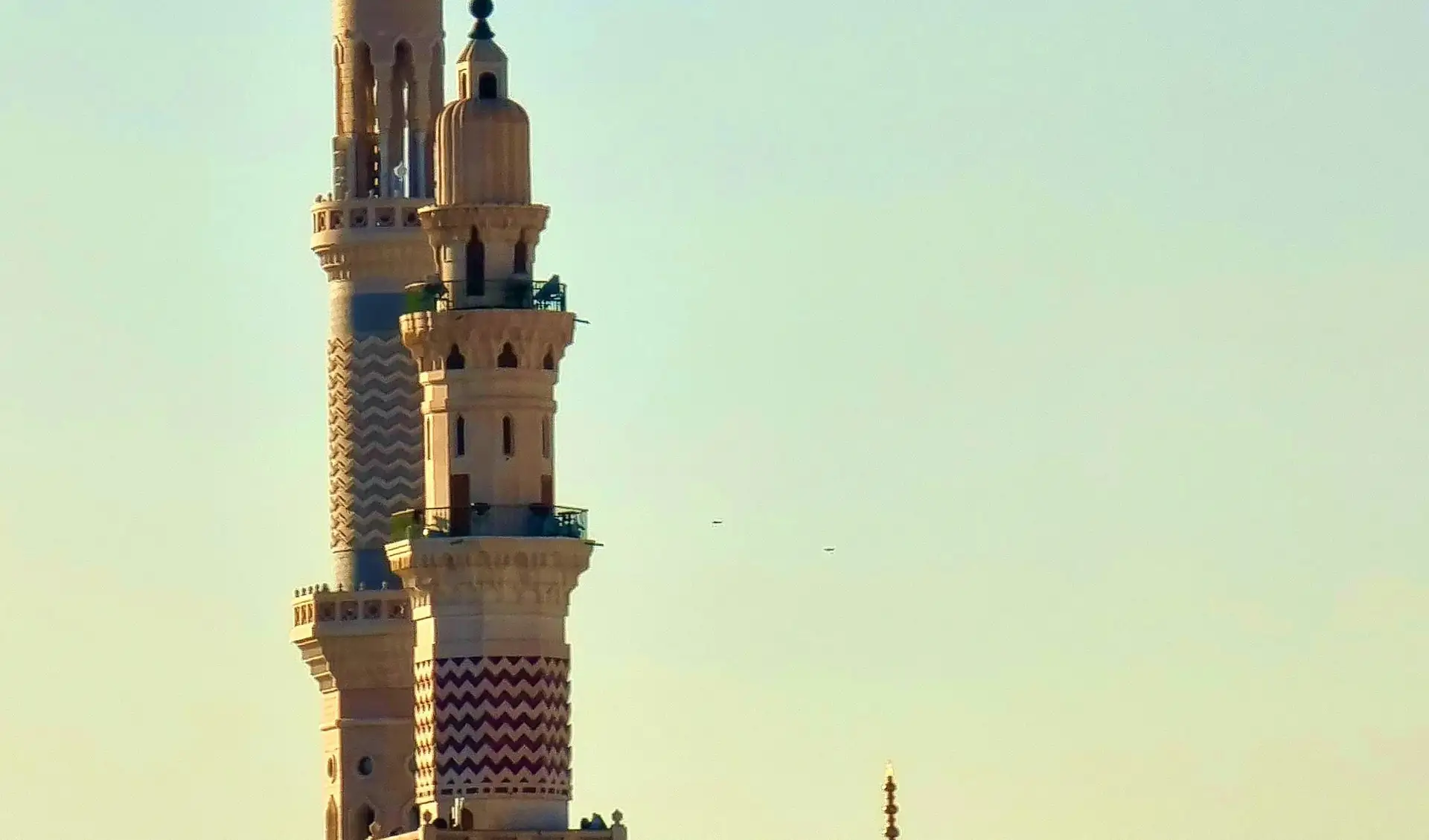
Your Umrah is the heart of the trip. But once the rite is done, you are standing in the two cities where the Prophet, peace be upon him, lived, taught and is buried. Walking the places where the Qur’an was revealed, and where the first Muslims prayed and fought and prayed again, turns a pilgrimage into something you carry for the rest of your life.
This visiting is called ziyarat. It is not part of the Umrah rite, and it is not required. But almost every pilgrim does it, and most come home saying it was among the most moving parts of their journey. Here is what to see, and how to do it with the right heart.
Ziyarat in Madinah
Madinah is gentle and green, and its sites sit close together.
- The Prophet’s Mosque and the Rawdah. The reason everyone comes. Pray here as much as you can. The Rawdah, the blessed area between the Prophet’s pulpit and his house, is visited with a free timed permit from the Nusuk app. Book it early. We walk you through it in our guide to the Rawdah permit on Nusuk.
- Masjid Quba. The first mosque built in Islam. The Prophet said that whoever purifies himself at home, comes to Quba and prays two units there, has a reward like that of an Umrah.
- Mount Uhud. The site of the battle of Uhud, and the resting place of its martyrs, including Hamza, may Allah be pleased with him. A quiet, humbling stop.
- Masjid al-Qiblatain. The mosque of the two qiblas, where the direction of prayer was changed toward the Kaaba.
- Al-Baqi. The cemetery beside the Prophet’s Mosque where many of his family and companions are buried.
Ziyarat in Makkah
Makkah’s sites are more spread out, and some are famous from the story of Hajj.
- Jabal al-Noor and the Cave of Hira. The mountain and cave where the Prophet received the first revelation of the Qur’an. You can view it from below without the steep climb if you prefer.
- Jabal Thawr. The mountain whose cave sheltered the Prophet and Abu Bakr, may Allah be pleased with him, during the migration.
- Arafat, Mina and Muzdalifah. The plains and valley at the centre of Hajj. Outside the Hajj season you can drive through and stand where millions gather, which makes the whole story real.
- Masjid Aisha at Tan’eem. The nearest point outside the sacred boundary where pilgrims enter ihram to perform an extra Umrah.
How to visit with the right heart
Ziyarat is about remembering and taking lessons, not about seeking blessings from stones, graves or buildings. A few simple manners keep it beautiful and correct.
- Keep your intention pure. We visit to remember the Prophet and the companions, to learn, and to pray to Allah alone.
- At the Prophet’s grave, send your greetings calmly and move on so others can do the same. Do not raise your voice or ask of the dead.
- Dress and behave modestly, lower your gaze, and be gentle in the crowds.
- Go early or late to avoid the heat and the busiest hours.
We take you there
On our group departures, ziyarat in both cities is included with a knowledgeable guide, so you are not guessing where to go or what each place means. You simply arrive, listen, pray and reflect.
To see which trips include guided ziyarat and how the days are planned, visit our Umrah packages page, or request a quote and we will build the visits into your trip.