Hajj can feel overwhelming before you go, but the rites follow a clear order. Here is the simple version. Learn it before you travel, and the days themselves become much calmer. This is general guidance; follow your group’s scholar for rulings.
Before the 8th: ihram and intention
Most overseas pilgrims perform Tamattu: an Umrah on arrival, then re-entering ihram for Hajj on the 8th of Dhul Hijjah with the intention and the Talbiyah.
Day 1, the 8th (Tarwiyah): to Mina
You travel to Mina and spend the day and night in prayer, waiting for Arafah.
Day 2, the 9th (Arafah): the heart of Hajj
You move to Arafat and stand in du’a from midday until sunset. This is the essential rite, “Hajj is Arafah.” After sunset you go to Muzdalifah, pray, rest under the open sky, and gather pebbles.
Day 3, the 10th (Eid, Nahr): stoning and sacrifice
At Mina you stone the large pillar (Jamrat al-Aqabah), offer the sacrifice (Hady), and shave or shorten your hair, leaving the state of ihram. Then Tawaf al-Ifadah and Sa’i at the Haram.
Days 4 to 5, the 11th and 12th (Tashreeq): more stoning
Back in Mina, you stone all three pillars each afternoon. You may leave after the 12th, or stay for the 13th.
Before you fly home: farewell tawaf
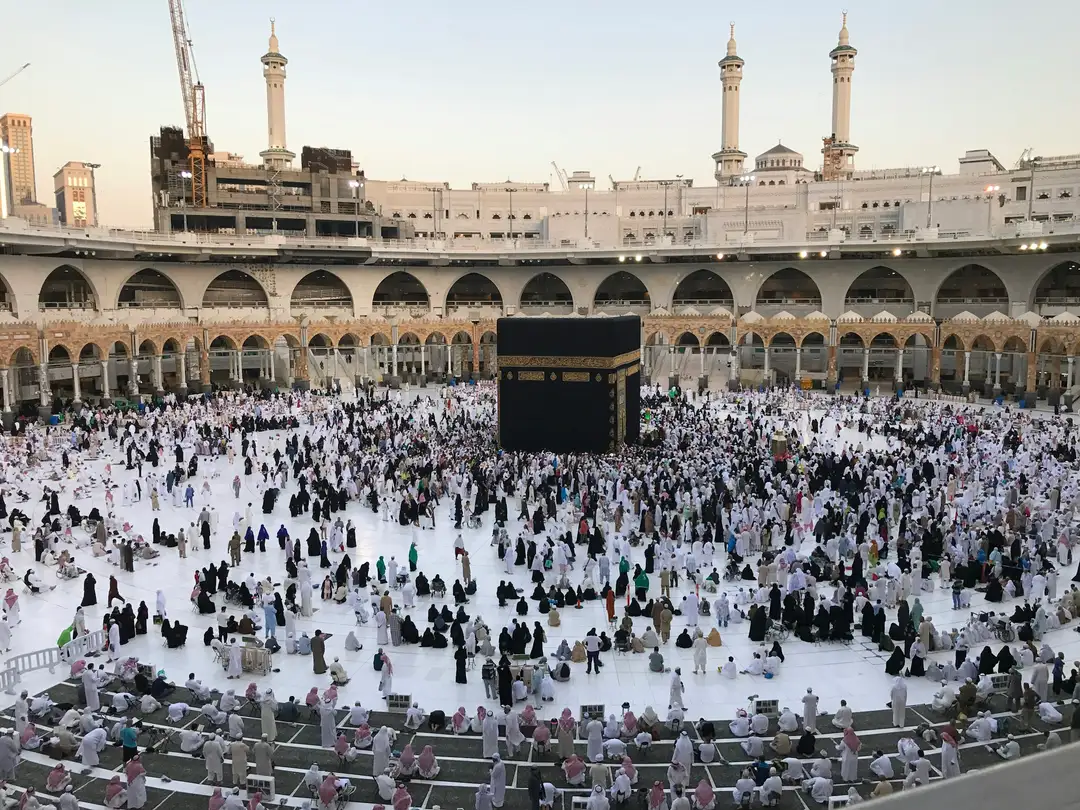
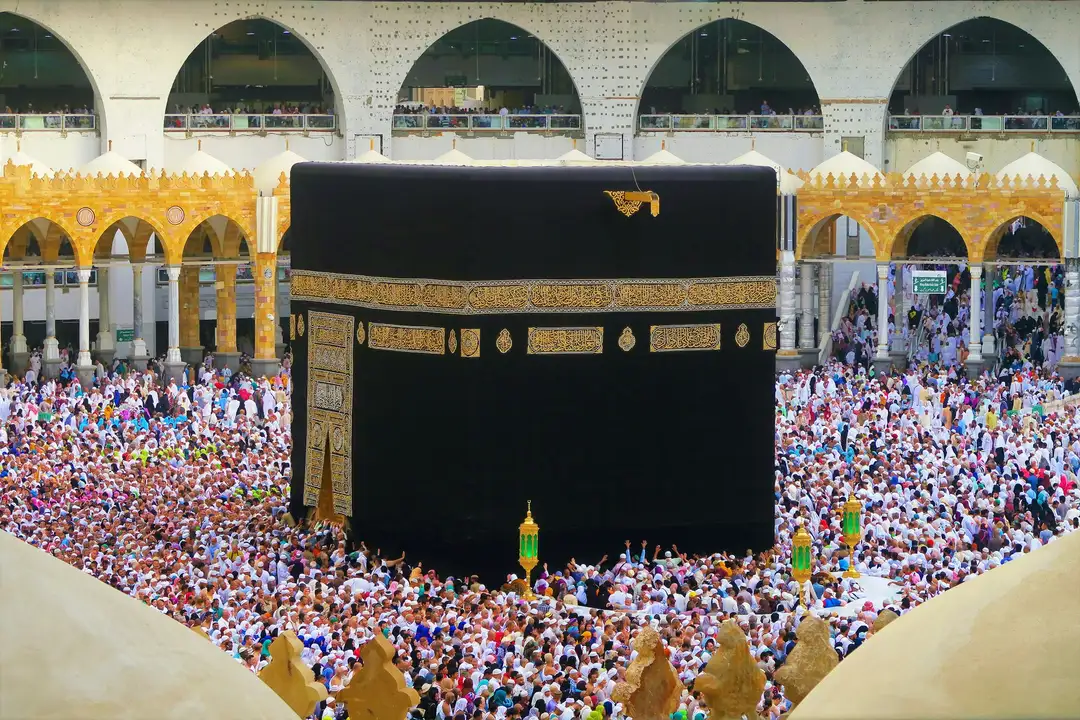
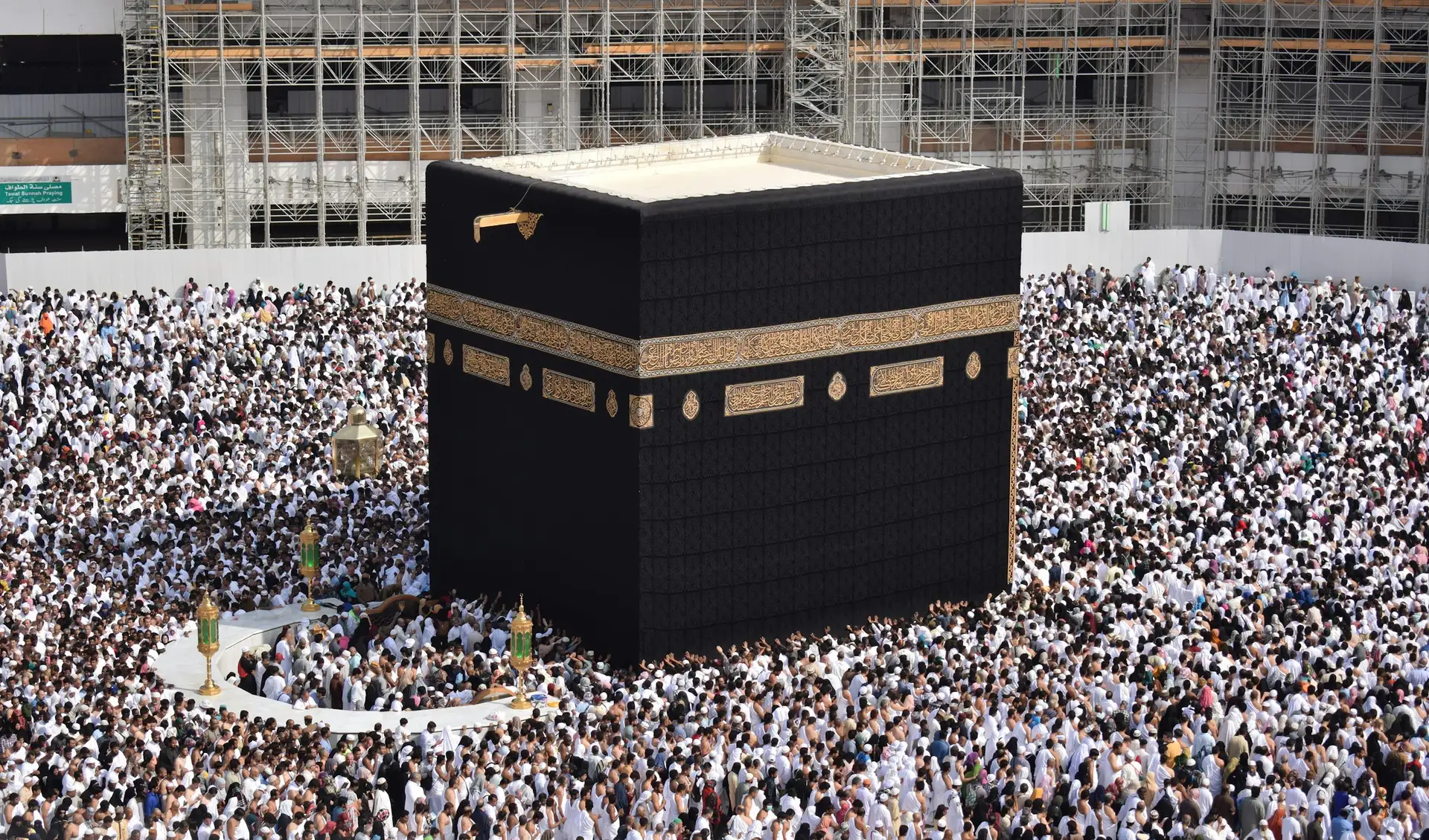
Your last act in Makkah is Tawaf al-Wada, the farewell circling of the Kaaba.
Learn it, then do it with confidence
Read our deeper guides on the days of Hajj and Mina, Arafat and Muzdalifah. If you want a knowledgeable hand before and during, our Hajj consultant guides you through it all. We guide. We do not sell Hajj packages.
References: the hadith “Hajj is Arafah” is reported in the Sunan collections (see sunnah.com). For rulings specific to your situation, ask a qualified scholar.