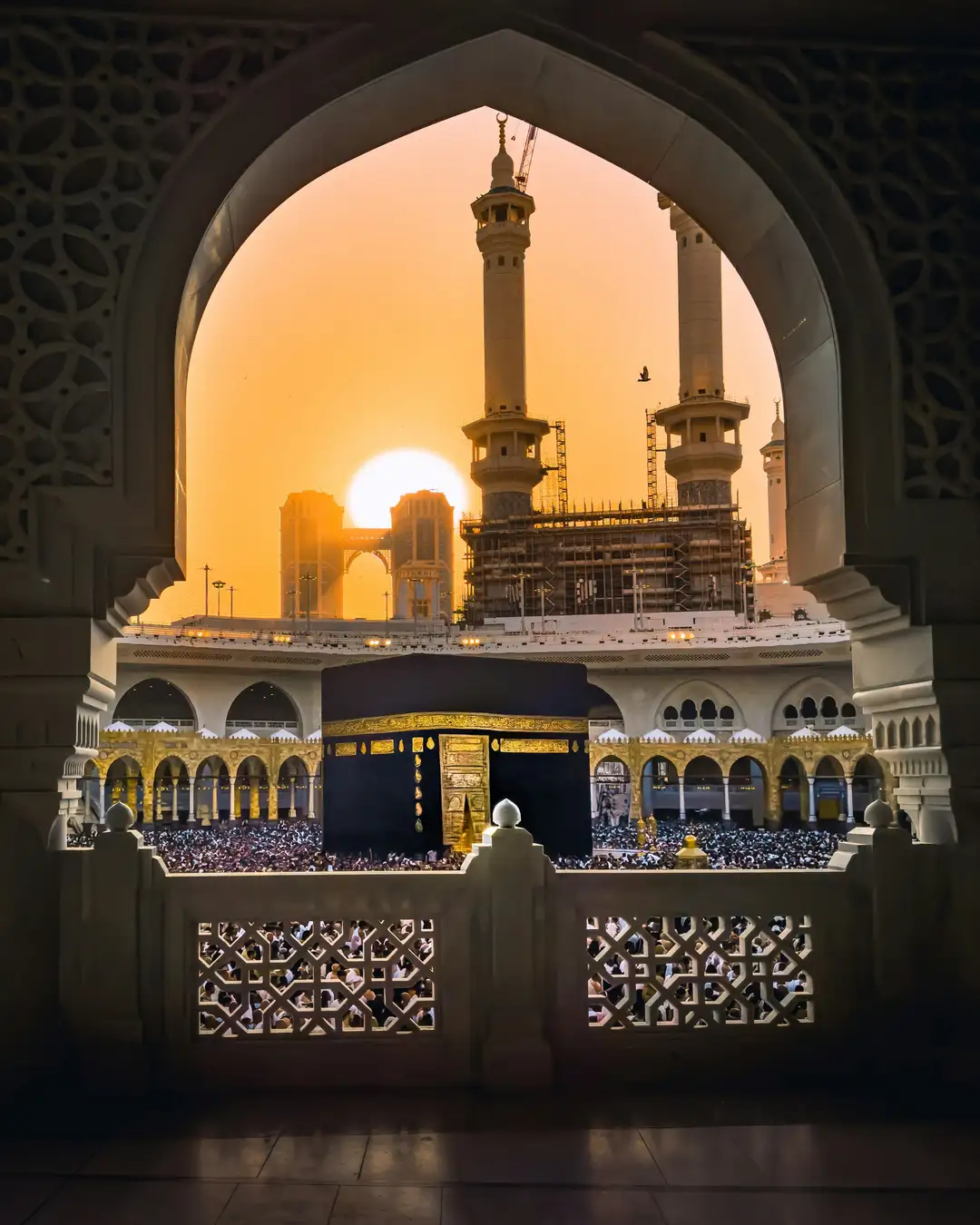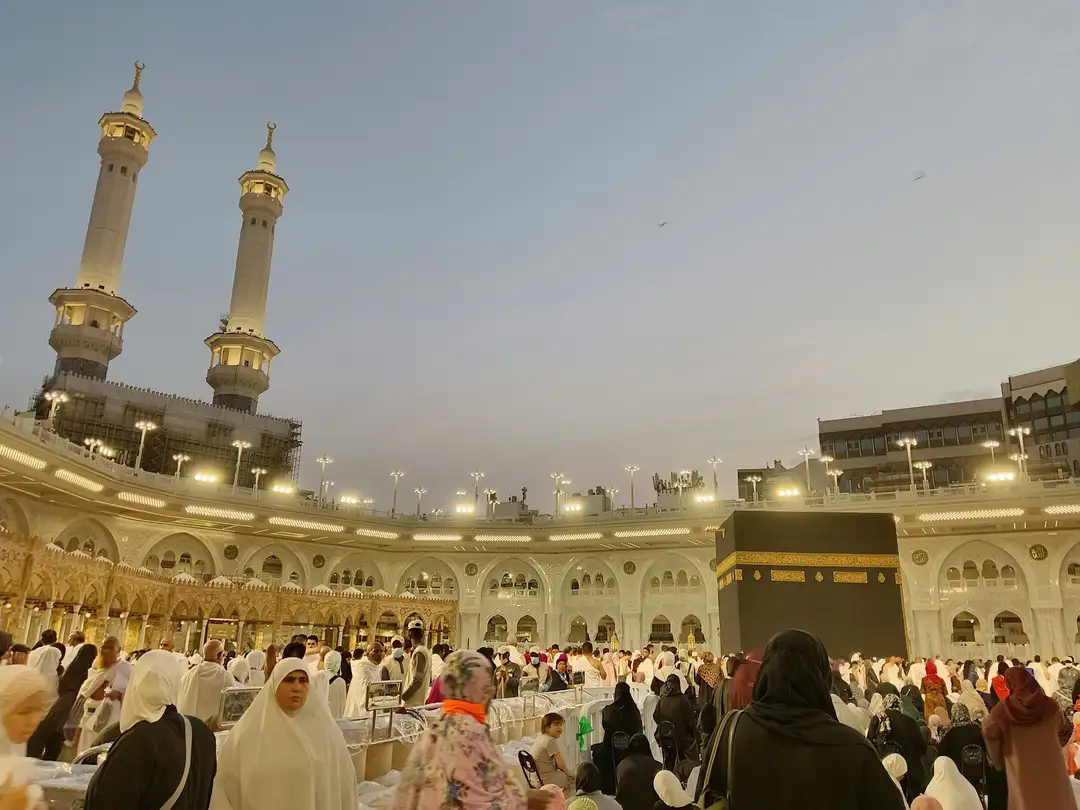
It is one of the most common worries women carry before Umrah, and one of the least talked about: what happens if my period arrives during the trip? The good news is that it does not ruin your Umrah, and you are not left out. There is clear guidance for exactly this, and it goes back to the time of the Prophet, peace be upon him. Here is what you can do, what simply waits, and how to plan around it with peace of mind.
A note first: this is general guidance, not a fatwa, and scholars differ on a few details. For your own situation, ask a trusted scholar. The guidance below rests on authentic narrations found on Sunnah.com.
The principle, from the Sunnah
During the farewell pilgrimage, Aisha, may Allah be pleased with her, began her period before completing the rites. The Prophet, peace be upon him, told her to do everything the pilgrim does, except that she should not perform tawaf around the Kaaba until she became pure. This narration, in Sahih al-Bukhari and Sahih Muslim, is the foundation for everything below.
So menstruation holds back one specific act, tawaf, and not the pilgrimage itself.
What you can still do
- Enter ihram at or before the miqat, make your intention, and recite the talbiyah.
- Travel with the group and go to Makkah as normal.
- Make du’a, dhikr, and salawat freely, including near the Haram. Bring your list of du’as.
- Rest and prepare so that when you are pure, you are ready to complete the rite with energy.
What waits until you are pure
- Tawaf around the Kaaba waits until your period ends and you have made ghusl, because tawaf requires being in a state of purity.
- Sa’i between Safa and Marwah comes after tawaf, so it waits too. It is done once your tawaf is complete.
Once you are pure, you make ghusl, perform tawaf and then sa’i, trim your hair, and your Umrah is complete. Nothing is lost. It simply happens a little later in your trip.
A practical note on the mosque
Scholars differ on whether a menstruating woman may enter the mosque itself to sit, as opposed to the open tawaf area. Some allow passing through or sitting in the outer courtyards; others are more cautious. This is a point to settle with your own trusted scholar, so you travel with a clear heart.
Planning around your dates
- Map your cycle against the trip before you book, and build in a few flexible days where you can.
- A longer stay helps. On a 7 to 10 night trip there is usually room for your period to pass and still complete tawaf comfortably. Our guide on how many days you need for Umrah can help you choose.
- Delaying your period with medication is something many women do and most scholars permit, but it does not suit every body, so speak to your doctor a month or two ahead.
- Pack what you need and do not feel rushed. Allah has made this easy on purpose.
You are not alone in this
Our team has helped many sisters through exactly this situation, discreetly and without fuss. If your dates are tight, tell us and we will help you choose a trip length and schedule that gives you room.
For the duas to keep making throughout, see Umrah duas, step by step. When you are ready to plan, see our Umrah packages or request a quote.