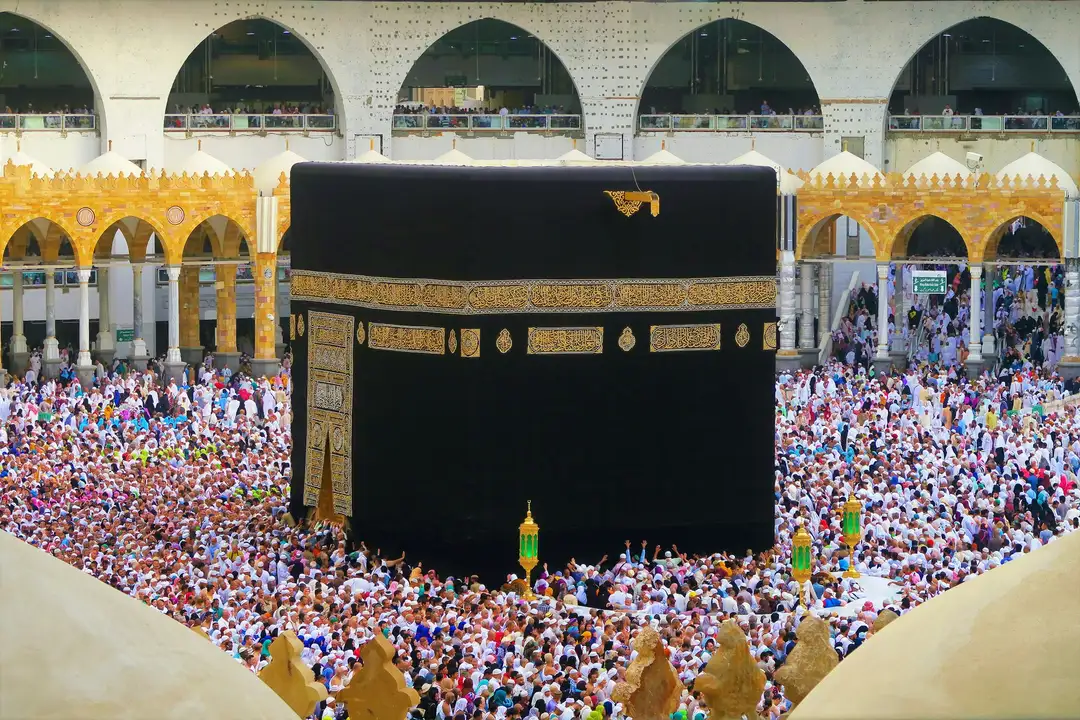
Sometimes a Muslim is obligated to perform Hajj but genuinely cannot, or passes away before doing so. Islam provides a merciful solution: Hajj Badal, Hajj performed on their behalf. Here is what it is and how it works. This is general guidance; ask a scholar for your case.
What Hajj Badal means
Hajj Badal (also called proxy Hajj or Hajj on behalf) is when one person performs the Hajj for another who cannot do it themselves. The reward and the discharge of the obligation are for the person on whose behalf it is done.
When it applies
Hajj Badal is for:
- Someone who has passed away while still owing an obligatory Hajj they had the means to perform.
- Someone alive but permanently unable to travel, for example through chronic illness or advanced age with no hope of recovery.
It is not for someone who is simply busy, short of money this year, or temporarily unwell. For them, Hajj waits until they are able.
The main conditions
- The person performing it should, by the widely held view, have already performed their own obligatory Hajj first.
- The intention is made for the other person by name.
- It should be arranged honestly, ideally through someone trustworthy or a reputable service, not a dubious middleman.
How to arrange it
If a parent or relative passed away owing Hajj, or is permanently unable, you can perform it yourself (if you have done yours) or arrange for a trustworthy person to do so. Confirm the correct method and conditions with a qualified scholar, as the details matter.
A note on intention and sincerity
Hajj Badal is an act of great love and duty, especially for a deceased parent. Do it sincerely and correctly, not as a transaction. If you are planning your own Hajj too, start with our complete Hajj 2027 guide. We guide. We do not sell Hajj packages.
For the conditions of Hajj Badal, ask a qualified scholar.